







Search Results for: Pour-Over Competition
Analysis of the Flavor of Ethiopian Hero Washed Coffee Beans and a Detailed Guide to Yirgacheffe Pour-Over Brewing Techniques
The Hero Washed coffee beans from Hambela in the Guji region of Ethiopia won second place nationally in the 2016/17 Ethiopian TOH competition and first place in the washed group. They are known for red grapefruit, tropical fruit, cherry, apricot, and a highly sweet, juicy mouthfeel. This article will introduce you to the origin background, competition journey, and flavor characteristics of this champion bean, and share a practical set of V60 pour-over parameters and staged pouring techniques to help coffee lovers recreate its bright, sweet flavor performance at home. At the same time, Front Street Coffee also takes this opportunity to exchange more coffee knowledge with everyone, so that more people can easily drink good coffee. [more…]
Ethiopia Guji Uraga Hero Washed Beans: 2019 TOH Champion Flavor Analysis and Pour-Over Parameter Guide
In 2019, the washed category crown at the Ethiopia TOH green bean competition went to a bean named "Hero" from the Uraga processing plant in the Guji region. It has a fascinating flavor profile weaving together jasmine, bergamot, lemon, apricot, and honey. Coffee Review gave it 88 points, it grows at an altitude of up to 2,150 meters, and it is washed processed and medium roasted. This article will guide you through the origin background of this champion bean, the uniqueness of Ethiopia's native Heirloom variety, and the significance of the TOH competition, and it also includes the pour-over parameters recommended by Front Street Coffee—90°C water temperature, a 1:15 coffee-to-water ratio, and extraction completed within two minutes—so you can recreate this bright floral aroma of the African highlands at home. [more…]
A Full Analysis of the WBrC Top Six Pour-Over Techniques: From Champion Recipes to Specialty Coffee Brewing Details
Although the 2015 WBrC World Brewers Cup has already concluded, the brewing approaches of the top six competitors are still worth savoring for coffee enthusiasts today. This competition requires contestants to present both skill and service in front of the judges. The preliminary rounds include a compulsory brewing round and an open brewing round, and ultimately only six people advanced to the final in Gothenburg, Sweden. From the Russian competitor's natural Geisha to the Norwegian champion's Honey Kiss beans and Bluetooth scale temperature-control setup, each competitor showed unique insights in bean selection, dripper pairing, water temperature control, and extraction rhythm. This article provides a complete overview of the brewing methods from sixth place to first place, including coffee-to-water ratio, blooming time, and flavor descriptions, for pour-over enthusiasts to reference and learn from. [more…]
2022 BOP Natural Geisha Group Champion GuaGuoGuo Estate Coffee Bean Flavor Analysis and Pour-Over Parameter Guide
The results of the 26th Best of Panama (BOP) green bean competition in 2022 have been announced. The champion of the Washed Geisha category was won by Aurora Estate, while the crown in the Natural Geisha category went to Guarumo Estate under the Hartmann family. Front Street Coffee had already acquired the 2022 harvest Guarumo Estate Natural Geisha coffee beans before the competition. This article will take you into a deeper understanding of the estate's historical origins, cultivation philosophy, and the flavor performance and brewing suggestions of this champion-level Geisha. From the Hartmann family's story of European immigration, to Guarumo Estate's impressive results in the BOP competition for two consecutive years, and then to Front Street Coffee's light-roast strategy and pour-over parameters, this article will help you understand the complete picture of this charming Natural Geisha. [more…]

Deconstructing 2021 WBrC Champion Matt's Blend Bean Pour-Over Recipe: Building Layered Sweetness with Stepped Temperature Control and Five-Pour Technique
At the 2021 WBrC World Coffee Brewing Championship, champion Matt won with a blend rather than Geisha, sparking widespread attention. His recipe consisted of 60% naturally processed Eugenioides and 40% washed Catuai; the former provides extremely high sweetness, while the latter brings clear acidity. In brewing, he used a metal V60 dripper, a 1:15 coffee-to-water ratio, five-pour pouring, and innovatively controlled the water temperature in two stages: 93°C and 88°C. Through video analysis, Front Street Coffee found that his pouring ratio closely resembles Tetsu Kasuya's 4:6 brewing method. This article provides a complete analysis of this competition regimen, which balances sweetness and complexity and offers extremely high compatibility, for coffee enthusiasts to reference and learn from. [more…]

2024 Panama BOP Auction Results Announced: Elida Natural Geisha Breaks $10,000 per Kilogram, Setting a Historic Record
The 28th Best of Panama (BOP) competition and auction of 2024 have successfully concluded. The top lot this year was won by Hacienda La Esmeralda's natural Geisha, fetching a bid price of $10,013 per kilogram (about 71,898 RMB), setting a new world record once again. Meanwhile, Elida Estate's washed Geisha followed closely at $10,002 per kilogram, with prices in the multi-variety category roughly tripling compared to last year. From $2.37 per pound in 2002 to today's five-figure US dollar level, BOP auction prices have continued to climb, and the prices of top-lot pour-over coffee in domestic coffee shops have also risen accordingly. This article will provide a complete overview of this year's competition, the highlights of each category, and the historical context, giving you a comprehensive look at the market trends of Panama's top coffees. [more…]
Panama Hacienda La Esmeralda Blue Label Geisha Coffee Beans: A Complete Guide to Flavor Profile, Mouthfeel Characteristics, and Pour-Over Parameters
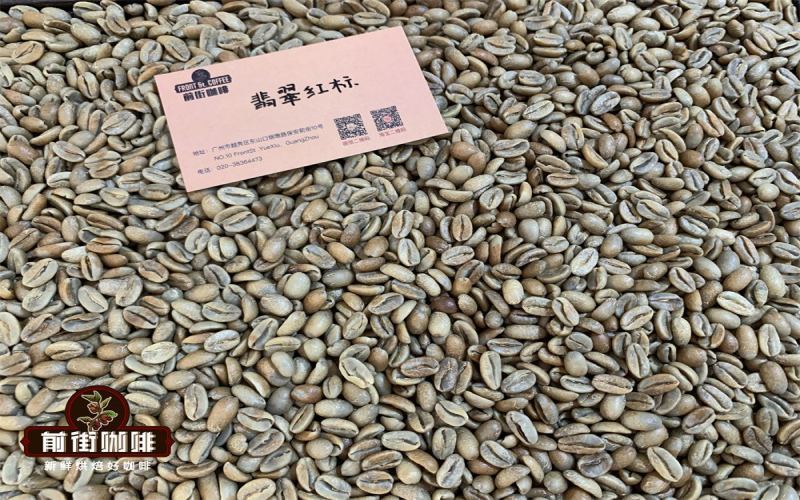
Geisha is famous for its pronunciation being similar to the Japanese word for "artisan entertainer," and this variety, originally planted as a windbreak, was discovered by the owner of Hacienda La Esmeralda and rose to the world competition stage, winning a total of eleven championships. This article provides a comprehensive introduction to the origin information, variety history, and flavor characteristics of Panama Hacienda La Esmeralda Blue Label Geisha, and also offers detailed pour-over extraction parameters. From its discovery in the forests of Ethiopia in 1931 to the sky-high bid prices at Panamanian auctions, Geisha's legendary journey is worth understanding for every coffee enthusiast. It also includes purchasing information from Front Street Coffee for readers' reference. [more…]
Panama Geisha Pour-Over Water Temperature and Brewing Parameters Explained: A Three-Pour Iced Pour-Over Recipe
Geisha coffee, after being discovered in Ethiopia and passing through many countries, took root in Panama and rose to fame in the 2005 cup-testing competition, becoming a legendary variety in the specialty coffee world. This article focuses on the pour-over brewing of Panamanian Geisha, with emphasis on an iced pour-over method suitable for medium-light roasted Geisha, including specific parameters and operational details such as 92°C water temperature, 15 grams of grounds, 75 grams of ice, and a three-stage pouring process. It also reviews the product characteristics of Front Street Emerald Red Label, Green Label, Boquete Geisha, and Front Street Butterfly, helping coffee enthusiasts experience Geisha's full floral and fruity aromas in everyday life. [more…]

A coffee shop in Wenling, Zhejiang is charging 2,888 yuan for a pour-over, with the owner saying they use BOP auction beans, and the most expensive cup costs 3,888 yuan.
How much can a cup of pour-over coffee sell for? Recently, a coffee shop in Wenling, Zhejiang, sparked heated discussion with a hand-brewed coffee priced at 2,888 yuan on its menu, with the original price even marked at 3,888 yuan. Netizens joked, "Did they forget to mark the decimal point?" The owner responded that the high-priced beans are all BOP auction lots, and the pricing is based on international competition auction prices, not set arbitrarily. One of them, a 2021 Panama Geisha, once set a record at $2,568 per pound, and now a single cup sells for 3,888 yuan with a 10-day advance reservation required. Besides the top auction beans, the shop also offers affordable options ranging from 18 to 188 yuan, with an average spend of about 47 yuan per person. Front Street Coffee takes you behind the story of this cup of coffee that "ordinary workers don't deserve to drink." [more…]
The Complete Guide to the Differences Between Panama Hacienda La Esmeralda Geisha Red Label, Green Label, and Blue Label and Pour-Over Parameters
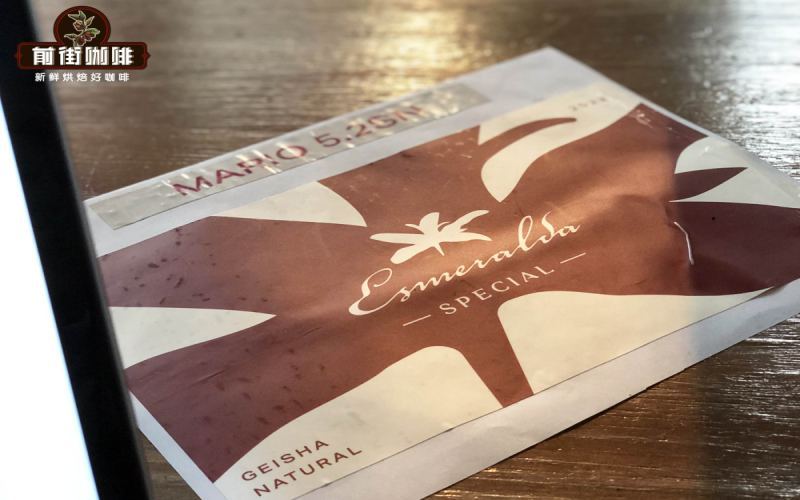
When Geisha is mentioned, the first name that comes to most people's minds is Hacienda La Esmeralda in Panama. In 2004, Daniel, the third-generation manager of Hacienda La Esmeralda, entered a Geisha bean with a distinctly different flavor profile in the BOP competition, forever changing the landscape of specialty coffee. Hacienda La Esmeralda's Geisha product line is divided into Red Label, Green Label, and the former Blue Label, each differing in plot source, altitude, and quality standards. This article will systematically review the development history of Hacienda La Esmeralda, the detailed plot divisions of its three sub-farms, and the core differences between Red Label and Green Label, while also including the pour-over Geisha parameters recommended by Front Street Coffee, to help coffee enthusiasts gain a comprehensive understanding of this legendary bean variety. [more…]
Complete Guide to AeroPress Brewing: From WAC Competition to Front Street Kenya Inverted Method Practice Guide
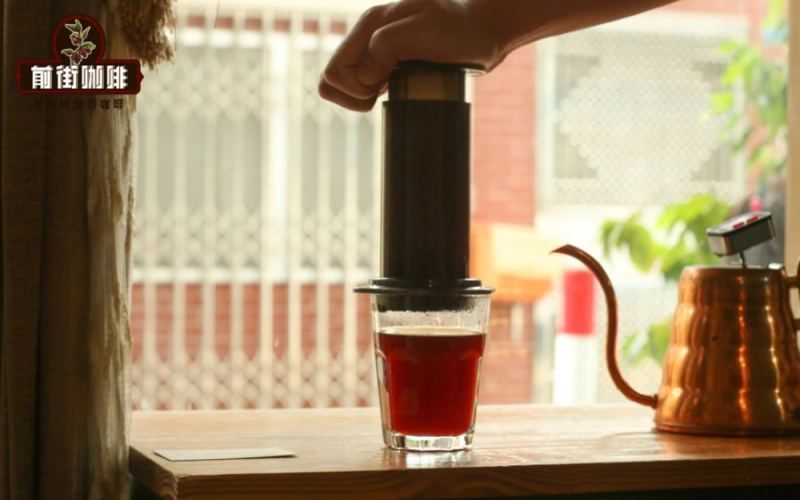
The AeroPress was invented by the Aerobie company, yet unexpectedly became a darling of the specialty coffee world, even giving rise to its own world championship, the WAC. It uses manual pressure to quickly produce a full-bodied cup, and combines portability, easy cleaning, and high playability. This article walks you through the AeroPress's origins, how it differs from the French press, the growth of the WAC competition, and shares a complete inverted brewing method using Front Street Coffee's Kenya Little Tomato beans, including dose, grind size, water temperature, and timing parameters, so you too can easily recreate a cup full of juicy fruitiness at home. [more…]
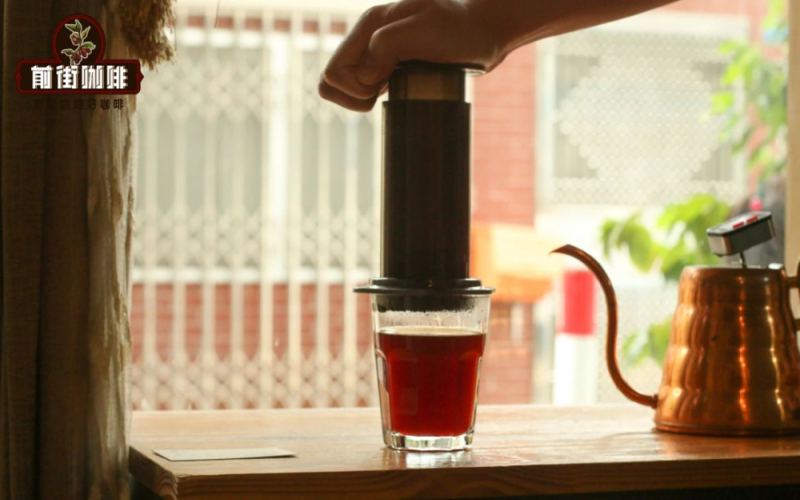
The Origins of the AeroPress | Why Is the AeroPress So Popular Among Coffee Lovers? What Flavor Characteristics Does AeroPress Coffee Have with Different Brewing Methods?
For more specialty coffee knowledge, please follow our WeChat official account: Front Street Coffee (FrontStreet Coffee). The AeroPress is not just a passing fad; its appearance is quite unlike typical brewing equipment, and the company that invented this brewing device doesn't even have coffee equipment as its flagship product. [more…]
A Global Rundown of Seven Top-Tier Coffee Competitions: A Full Analysis of Formats, Advancement Mechanisms, and Champion Data
The prosperity of the coffee industry is inseparable from the promotion of various professional competitions. These competitions not only promote coffee culture but also make the profession of barista more standardized and professional. Every year, many contestants from different countries around the world participate in the competition. Among them, the seven most influential world-class competitions cover multiple fields such as barista, brewing, latte art, roasting, cupping, coffee and spirits, and Turkish coffee. This article will introduce the positioning and competition systems of these events one by one, and focus on sorting out the development history, advancement rules, and past champion data of the World Barista Championship (WBC), helping coffee enthusiasts fully understand the landscape and charm of international coffee competition. [more…]
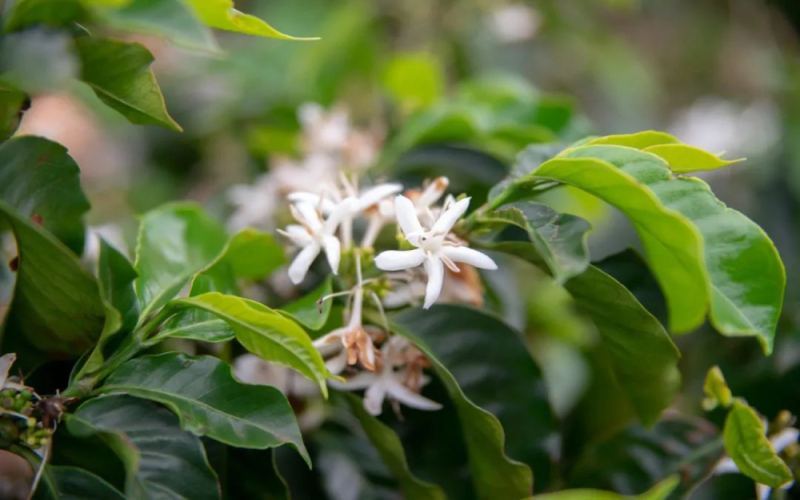
Where Do the Names Geisha and Yiji Come From? A Full Analysis of the Variety's Origins, Its Rise to Fame in Panama, and Pour-Over Parameters
At the 2004 Best of Panama (BOP) competition, a previously unknown variety won first place with a record-breaking score, forever changing the landscape of specialty coffee—it was the Gesha. Many people wonder upon first encountering it: why is it also called "Geisha"? Where did these two Chinese names come from? This article follows the historical thread, tracing the complete journey of Gesha from being collected on Gesha Mountain in Ethiopia, passing through African research stations, settling in Panama, and then gaining fame when Hacienda La Esmeralda entered it independently in competition. It also explains the origins and trade-offs of the two translated names "Geisha" and "Guixia," and includes Front Street Coffee's pour-over recommendations and flavor descriptions for Gesha from the Boquete region, for beginners to reference. [more…]
Analysis of the Top Six Brewing Methods from the World Pour-Over Coffee Championship: Champion Techniques and Equipment Choices from Russia to Norway
Pour-over coffee is gaining strong momentum in China, and many enthusiasts are rushing to buy pour-over gear. For one thing, pour-over equipment is relatively affordable; for another, this method brings out the flavor of the coffee beans themselves to the greatest extent. But the factors affecting the pour-over result are numerous, and the same beans often taste completely different in different hands. This article focuses on the brewing ideas of the top six competitors at the 2015 World Brewers Cup, going through one by one the bean varieties, equipment, parameters, and techniques they chose, to see how the top experts interpret a good cup of coffee in their own ways. It also includes Front Street Coffee's recommendations and interpretations regarding competition beans and brewing logic. [more…]
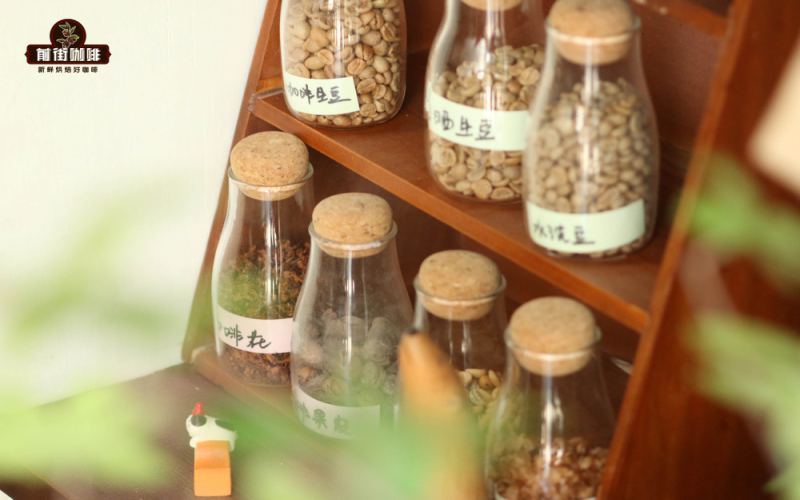
Sidamo Coffee Bean Flavor Analysis: Master the Pour-Over Parameters and Taste Characteristics of Huakui 6.0 and 8.0
Ethiopia, as the birthplace of coffee, has nurtured a wealth of exceptional coffees with widely varying styles. The Sidamo region, with its wild and intense berry-cream character, has won a large following in China's coffee community. The Hambela Gesha coffee beans from this region have become a phenomenon, thanks to winning the TOH competition and the Luckin SOE controversy. This article will systematically sort out the terroir characteristics of the Sidamo region, review the naming evolution of Gesha coffee from 1.0 to 8.0, and use Gesha 6.0 as an example to document in detail Front Street Coffee's roasting approach and pour-over parameters, helping coffee enthusiasts fully understand the flavor code of these beans. [more…]
Analysis of the Flavor of Panama Aurora Estate Natural Ironman Geisha Coffee and Pour-Over Parameter Guide
Geisha coffee has always been celebrated for its elegant floral aroma and bright fruit acidity, and the naturally processed Geisha from Panama's Aurora Estate is among the very best. Estate owner Roberto Brenes once won the Best of Panama championship with his Iron Man Geisha, and his natural-process Camilina lot claimed the top spot again in 2016. Front Street Coffee's recently launched Aurora Estate natural Geisha is striking for its white floral notes, berry-like acidity, and sweet orange juice character. This article will walk you through the spread of Geisha and the terroir of Aurora Estate, and share Front Street's roaster's pour-over recommendations for this bean—including grind size, water temperature, coffee-to-water ratio, and staged pouring technique—so you can brew a full-flavored cup at home. [more…]
The Legend of Geisha Coffee Beans: A Complete Analysis of the Pour-Over Flavor and Mouthfeel of Panama Hacienda La Esmeralda Geisha
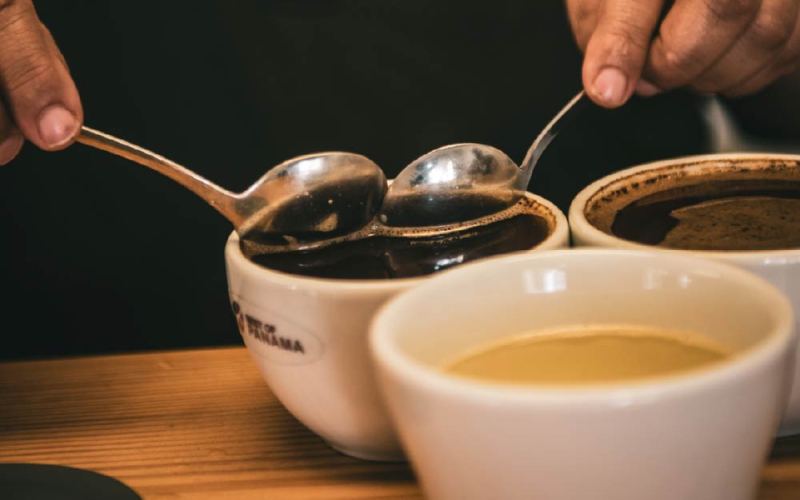
Why does Geisha coffee beans firmly hold the top spot on the specialty coffee pyramid? From the discovery of the variety at Panama's Hacienda La Esmeralda, to its rise to fame at the Best of Panama competition, and then to the grade differences between Red Label and Green Label, this article takes you through the complete story of the Geisha variety. Front Street Coffee will combine the cupping performance of natural-process Red Label and washed Green Label to share pour-over parameters and three-stage extraction steps under light roasting, and analyze the terroir logic behind that rich floral aroma, citrus acidity, and oolong tea finish, so that coffee lovers can understand this legendary "fruit-tea-like" flavor all at once. [more…]

COE Cup of Excellence vs. SOE Single-Origin Espresso: A Coffee Guide from Green Bean Competitions to Espresso Extraction
In the world of specialty coffee, the two English abbreviations COE and SOE often confuse enthusiasts—they appear similar but actually point to completely different domains. COE stands for Cup of Excellence, the world's most authoritative specialty green coffee competition, first held by the Alliance for Coffee Excellence in Brazil in 1999 and since expanded to Colombia, Guatemala, Panama, and many other producing countries. SOE, on the other hand, is short for Single Origin Espresso, referring to espresso made from single-origin coffee beans. This article will systematically sort out the essential differences between the two from the perspectives of competition systems, judging procedures, and extraction characteristics, and explore the common question of whether SOE is necessarily superior to blended espresso. [more…]
The Origin of the Name Hualkui Coffee Beans and an Analysis of the Pour-Over Flavor of the Sidamo Guji Region
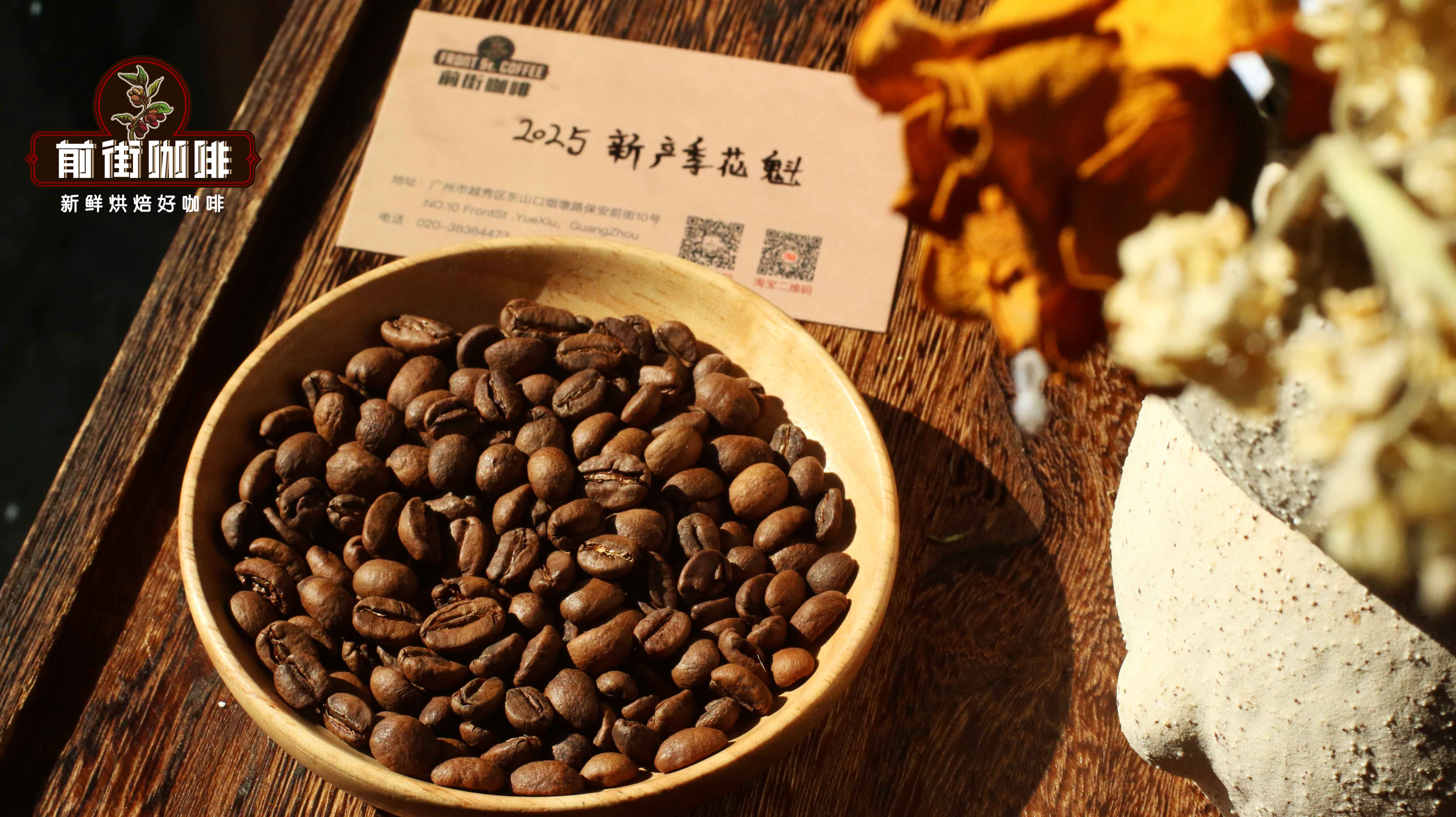
The name Geisha coffee beans always evokes the imagery of "queen of a hundred flowers," and this naturally processed bean from the Guji region of Sidamo, Ethiopia, has indeed won over countless coffee lovers with its intense berry notes and creamy smooth mouthfeel. From winning the 2017 TOH East Africa Green Bean Cupping Competition to Li Jianfei, runner-up in the China Region Brewing Championship, using it to defeat numerous Geisha competitors, Geisha coffee has completed its transformation from "nobody" to "queen of a hundred flowers." This article will guide you through Geisha coffee's origins and background, the terroir conditions of the Guji region, the naming logic of the X.0 series, as well as the pour-over parameters recommended by Front Street Coffee and the flavor performance of the 2025 new harvest season. [more…]